
This news article is a continuation of previous news articles on the same event. If you want to know the event in its entirety, please save the related news sections. For part 1 news articles, click the following link https://international.stekom.ac.id/en-news-and-event/.the-first-day-of-the-cultural-exchange-of-stekom-university -Part 1. For part 2 which contains presentations from Kazakhstan, you can visit the following link: https://international.stekom.ac.id/en-news-and-event/the-first-day-of-the-stekom -university-cultural -change-part-2-culinary-and-traditions-kazakhstan. Part 3 of Uganda, can be seen via the following link: https://international.stekom.ac.id/en-news-and-event/.the-first-day-of-the-stekom-university-cultural-exchange -part-3-uganda-culinary-and-traditions. For part 4.1 of the first part of Ukraine, it can be seen via the following link: https://international.stekom.ac.id/en-news-and-event/.the-first-day-of-the-cultural-exchange-of -stekom-university-section-41-culinary-and-ukrainian-tradition. News article part 4.2 of the second part of Ukraine, can be viewed via the following link: https://international.stekom.ac.id/en-news-and-event/.the-first-day-of-the-cultural-exchange- from-stekom-university-section-42-culinary-and-ukrainian-tradition. News article part 5 can be visited via the following link: https://international.stekom.ac.id/en-news-and-event/.the-first-day-of-the-stekom-university-cultural-exchange-part -5-culinary-and-malaysian-traditions.
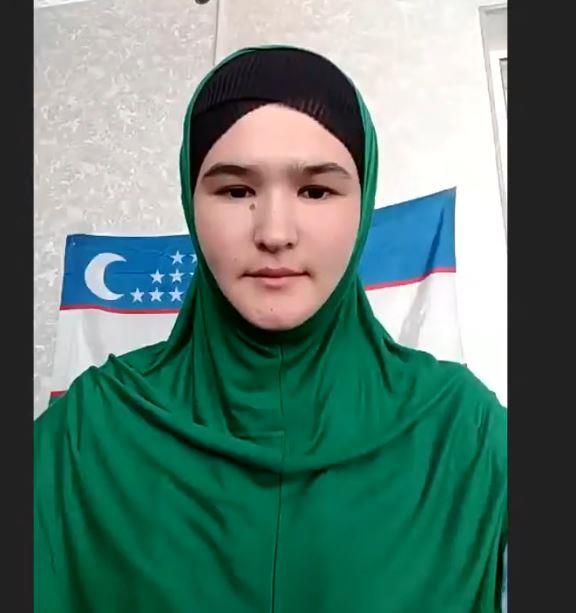
The culinary and cultural presentation from Uzbekistan was delivered by Solijonova Durdonakhon who is a student from Termiz State University. The presentation started with an introduction to Uzbekistan. Nova in his presentation explained that Uzbekistan Culture is very dynamic and unique—the culture is formed from year to year, combining the traditions and customs of the people who at various times inhabited the territory of modern Uzbekistan.
Ancient Persians, Greeks, Arabs, Chinese, Russians and nomadic Turkic tribes contributed to Uzbekistan's culture, which is considered the epitome of Central Asian crossroads culture. Traditions that reflect Uzbekistan's multinational nature are present everywhere in its music, dance, painting, applied arts, language, cuisine and clothing. Each region of Uzbekistan also has its own unique nuance, which is most clearly manifested in the national dress and local dialect.
Uzbekistan has many national customs and traditions, which date back centuries. Hospitality lies at the heart of the many festivals held in Uzbekistan, as well as the traditions associated with them.
Every important family event, such as a wedding, comes with a lot
interesting rite. One of them is kelin-salom, ora bridal greeting, which
celebrates the beginning of married life and takes place the day after the wedding
ceremony.
Everyone takes a turn to convey their wishes and blessings to the newlyweds and give gifts. The bride greets every guest with a deep guest. She is first to her husband's parents and other members of the immediate family and then to others. The greeting ritual is accompanied by singing, usually by a female relative, who sings an improvised rhyme addressed to everyone the bride greets.
For each bow, the bride receives gifts and blessings, and gives a small gift in return. It is believed that gifts from marriage bring to a young unmarried woman.
Darboz (ropewalker show) - survives today as it is passed down from generation to generation. And today's rope paths are great successors of the glorious traditions of their ancestors. The craft of a rope dancer is very difficult, it requires great endurance, agility and strength. The rope dancers — darboz-ar
mostly men. They usually wear the traditional national attire, either bright colors or a white shirt and black trousers, tucked into soft leather boots. Darboz does not use a safety lanyard, and the rope height reaches 4-5 m to 50 m. Such heights require enormous concentration and attention, as well as skill.
Beshik tui- celebrates on the fortieth day after the child's birthday. Relatives of the young mother brought "beshik", a beautiful crib, clothes and everything necessary for the newborn. It is also customary to carry bread, sweets and toys, wrapped in clothes.
Traditionally, while guests enjoy and pamper themselves at the holiday table, in the nursery the elderly women perform the ritual of the first swaddling and placing the child into the "beshik". The ceremony ended with the presentation of a child, in where invited guests give gifts to children.
Uzbekistan's food is one of the most delicious in the world, over the centuries it has absorbed and adapted the best recipes from neighboring cultures to create flavorful and satisfying dishes. The highlight of Uzbek cuisine compared to its Central Asian neighbors is that they enjoy not only meat dishes but vegetables and salads as well. In fact, Uzbekistan's fruits and vegetables are so good that they are exported to other countries. Here are the main dishes from Uzbekistan:
1. Plov - (sometimes also called "osh") is widely considered the national dish of Uzbekistan. This is a delicious rice pilaf and you may notice that the words "plov" and "pilaf" are basically the same thing. You can expect generous portions of rice cooked together with lamb or beef, onions, garlic, raisins and carrots. Plov is not only the most famous dish in Uzbekistan, but also one of the most delicious. Plus, you get the true taste of plov, when you taste the dish with your hands instead of a spoon.
2. Sumalak - is an ancient and special dish that is specially cooked for the feast of Navruz (celebrating the beginning of a new year and a new life) so it is usually only prepared once a year. It has been cooked for centuries and techniques and methods may vary across regions, but the ingredients are always the same: flour and wheat germ washed down with water and oil.
3. Manti- another healthy option is a steamed dish known as manti. These are huge steamed dumplings that are very tasty and tender. Manti is usually prepared with a stiff dough, minced or finely chopped meat, onions, and seasonings such as cumin.
4. Shurpa - is an Uzbek lamb stew that you will find in almost every restaurant in the country. In addition to lamb chops, you can expect thick slices of vegetables, such as carrots, potatoes, or onions. Spices such as fresh fennel and parsley are also used to add flavor to soups.
Shurpa is a great start to any meal, especially if you are visiting Uzbekistan during the colder months and need to warm up after a day exploring the country's beautiful Islamic architecture.
5. Uzbek somsa - is the queen of Uzbek cuisine. No wonder Jami? singing samsa in his rubai. Uzbek samsa is a baked dish of Uzbek cuisine for holidays and everyday life, with a variety of fillings to suit all tastes.
First Day of STEKOM University Cultural Exchange Part 6.1 (Uzbekistan Cuisine and Traditions)
International Webinar
Kembali ke Berita
International Webinar
Senin, 17 Oktober 2022
Priyadi, S.Kom, M.Kom
0 Dilihat