
The subject of green engineering that is no less important than the others is green nanotechnology. Green nanotechnology includes nanotechnology which involves managing materials on a nanometer scale, one billionth of a meter. Some scientists believe that mastery of this subject will come that will change the way everything in the world is made. "Green nanotechnology" is the application of green chemistry and green engineering principles to this field.
Nanotechnology is being called a key technology of the 21st century and has generated a lot of excitement around the world, but has slowed due to poor understanding of the harms associated with nanotechnology and fewer policies to manage the new risks. However, researchers are constantly moving forward, involving themselves to win the battle from management, production, regulatory, regulatory and technical aspects. Green nanotechnology is a branch of green technology that utilizes the concepts of green chemistry and green engineering, where the word "green" refers to the use of plant products. It reduces energy and fuel use by using fewer materials and the newest inputs wherever possible. In addition, nanotechnology products, processes and applications are expected to make a significant contribution to environmental and climate protection by saving raw materials, energy and air, as well as by reducing greenhouse gas emissions and hazardous waste. Improved energy efficiency, waste disposal and greenhouse gas emissions, and reduced consumption of non-renewable raw materials are the main advantages of green nanotechnology. Green nanotechnology offers a great opportunity to stop adverse effects before they occur.
Green nanotechnology does not rise de novo; rather it was formed based on the principles of chemistry and green engineering. Apart from obvious fields such as solar cell, biofuel and fuel cell development, applications of green nanotechnology may involve using nanomaterials in clean production processes that synthesize nanoparticles, using sunlight or by recycling industrial waste products into nanomaterials. There are some nanotechnology that are “truly” green, that is, nanomaterials that are fully grown in plants—however, they will never reach the scale needed for the industrial production of nanomaterials. To make conclusive observations, eco-friendly nanotechnology requires a full assessment process like any other manufactured industrial product.
The activity of herbal medicines depends on the function of all the active components, because all the constituents provide a synergistic action and, thus, enhance the therapeutic value. Each active constituent is related to one another and they all play an important role. On the other hand, the insoluble nature of most drugs of herbal origin leads to lower bioavailability and, therefore, increased systemic clearance and the need for frequent administration or higher doses — all of which render the drugs low grade. drugs for therapeutic use.
In phytoformulation research, the development of nanotechnology-based dosage forms, for example solid lipid nanoparticles (SLNs), polymeric nanoparticles (nanospheres and nanocapsules), proliposomes, liposomes, nanoemulsions, etc., has a number of great advantages for herbal medicines. These include increased solubility and bioavailability, increased stability, suppressed toxicity, enhanced pharmacological activity, sustained delivery, increased circulating macrophage tissue, and defense against physical and chemical degradation. Therefore, the problems associated with plant drugs can be addressed by herbal drug nano-sized drug delivery systems (NDDS), which have the potential in the future to enhance their activity. Therefore, including nanocarriers as NDDS in conventional medicine systems will be necessary to combat more chronic diseases such as diabetes, cancer, asthma, etc., with the help of herbal medicines.
The STEKOM University international webinar presenter who delivered the material was Kefale Kebie Bishaw who has an M.Sc academic degree in Structural Engineering. He is also a lecturer and researcher at Debre Tabor University which is located in the city of Debre Tabor, Country of Ethiopia. STEKOM University has collaborated with the University several times. This time the international activity being held was an international webinar entitled "Advantage of Green Engineering".
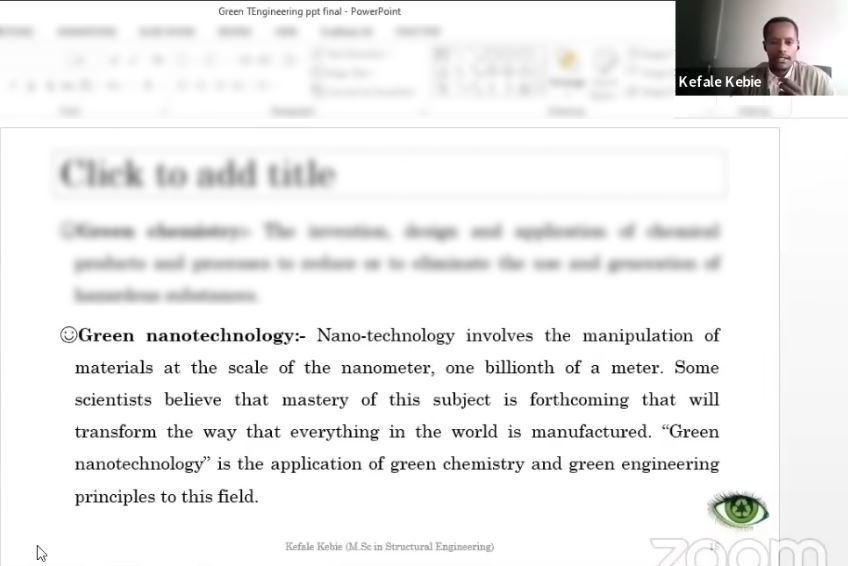
International Webinar 2022 - The excellence of green engineering part 19
International Webinar
Kembali ke Berita
International Webinar
Selasa, 6 Desember 2022
Priyadi, S.Kom, M.Kom
0 Dilihat