
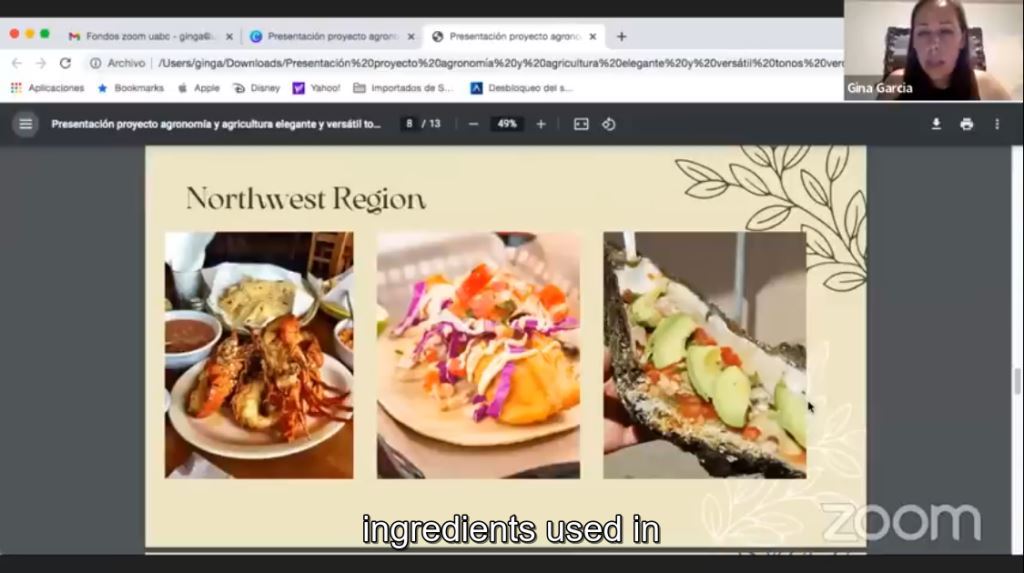
Academics from Mexico noted that there are some regional differences in traditional Mexican cuisine in an international webinar held with STEKOM University. One that is unique is the regional cuisine of northern Mexico. The foods eaten in northern Mexico today differ from those eaten in the south since the pre-Hispanic era. Here, the natives were hunter-gatherers with limited agriculture and settlement due to the arid soil.
Grilled arrachera, prawns, sausage, onions, potatoes and chili toreados served on a cast iron griddle. When the Europeans arrived, they found much of the land in this area suitable for raising cattle, goats, and sheep. This led to the predominance of meat, particularly beef, in the region, and some of the most popular dishes include machaca, arrachera and cabrito. The region's signature cooking technique is grilling, as herding culture promotes male outdoor cooking.
The herding culture also boosted cheese production and the north produced the widest variety of cheese in Mexico. These include queso fresco (fresh farmer's cheese), ranchero (similar to Monterey Jack), cuajada (fresh milk curd that is mildly sweet and creamy), requesón (similar to cottage cheese or ricotta), queso menonita Chihuahua semi-soft, and fifty six types of asadero (smoked cheese)
Another important aspect of northern cuisine is the presence of wheat, especially in the use of flour tortillas. This area has at least forty types of flour tortillas. The main reason was that most of the land supported wheat production, which was introduced by the Spanish. These large tortillas made possible the making of burritos, usually filled with machaca in Sonora, which eventually gained popularity in the Southwestern United States.
The variety of foodstuffs in the north is not as varied as in the south of Mexico, due to the largely desert climate. Much of the cuisine in this area relies on food preservation techniques, namely dehydration and canning. Dry foods include meat, chilies, squash, peas, corn, lentils, nuts and dried fruit. Some of it is also canned. Preservation techniques change the taste of food; for example, many chili peppers become less hot after drying.
In Northeastern Mexico, during the Spanish colonial period, Nuevo León was founded and settled by Spanish families of Jewish origin (Crypto-Jews). They contributed to the regional cuisine with dishes, such as Pan de Semita or "Semitic bread" (a type of bread made without yeast), and cabrito or "baby goat", which is a specialty of Monterrey and the state of Nuevo León. , as well as parts of Coahuila.
The north has seen waves of immigration by Chinese, Mormons, and Mennonites, which have influenced the cuisines of areas such as Chihuahua and Baja California. More recently, Baja Med cuisine has emerged in Ensenada and elsewhere in Baja California, blending Mexican and Mediterranean flavors.
The above material was delivered by a presenter from Mexico in an international webinar held by STEKOM University in collaboration with Universities from Mexico, Ukraine, Ethiopia and various other parties. The title of the presentation brought by the presenter from Mexico was "Get to know the beauty of diverse cultures between countries". The presenter's name was Professor Gina Garcia Walther who is an academic.
This international webinar activity is part of the implementation of STEKOM University's commitment to increase various international activities. This was done in order to realize the vision to become an international-class university. Various international activities carried out by STEKOM University continue from year to year. There are international activities that are sustainable and there are also some international activities that are not sustainable. All types of international activities are accommodated and regulated by the International department of STEKOM University.
International Webinar 2022 - Get to know the beauty of diverse cultures between countries – Part 3
International Webinar
Back to News
International Webinar
Sunday, January 22, 2023
Priyadi, S.Kom, M.Kom
0 Views