
There are several Green Engineering Categories that engineers need to pay attention to. In the adoption and utilization of green engineering, engineers use the following processes:
- Waste reduction
- Material Management
- Pollution Prevention
- Product Improvements
Waste reduction (or prevention) is the preferred approach to waste management because waste that is never created does not incur waste management costs. An example of reducing waste is the reduction of unnecessary packaging of products and product manufacturing. If this excess packaging can be avoided, no one has to worry about the expense and effort of collecting the excess packaging, selling it for recycling, breaking it down, transporting it to the factory, and then combining it back into the factory's recycling process.
Reducing waste also helps pool resources for future generations and contributes to a cleaner environment. With less waste, the factory can also increase profits because it does not require additional costs to handle waste.
The Material Management System is the management of Product / Material / Service data / info that exists, is managed, and is directly involved in all transactions and the company's operational system. Thus enabling the company to manage the structure and types of materials needed and used in company operations, both general data, to matters related to availability, price structure, vendor lists and system fees for each of these materials. The following things need to be considered in material management:
Materials management requires better and safer discovery materials for a variety of engineering purposes, particularly in product design and manufacturing.
Engineers can identify new and safer materials or find options to integrate into their plans and find better, more efficient production methods.
*This can be achieved via
- Using renewable sources that have been managed and harvested in a sustainable manner
- Repeat product
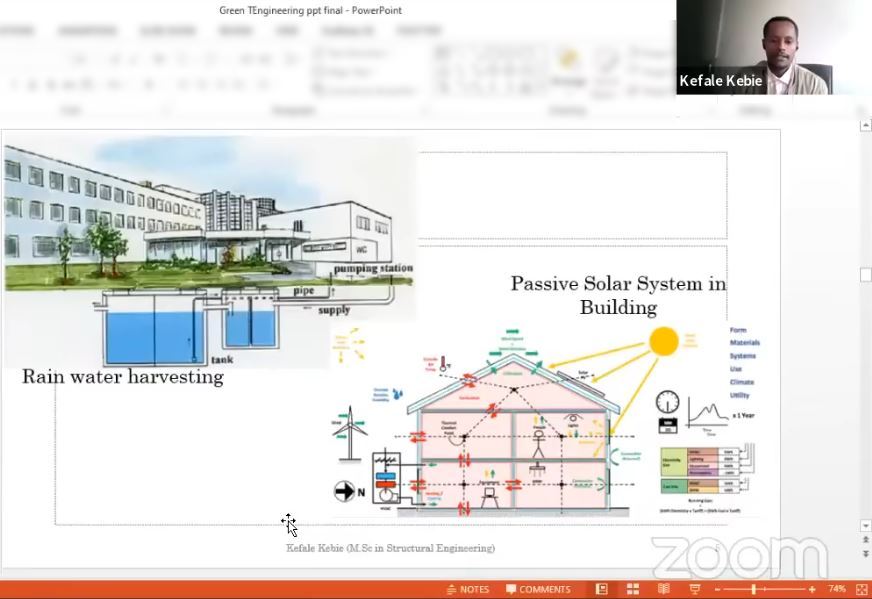
An example of the use of renewable resources is rainwater harvesting. Water purification that is not dangerous will threaten the sustainability of water, so it is necessary to conserve water. One method of conserving water in the household is harvesting rainwater, which is collecting, storing and storing rainwater.
Harvesting rainwater is an alternative source of water that has been practiced for centuries in various countries that often experience water shortages. Harvested rainwater can be used for multiple purposes such as watering plants, washing, bathing and can even be used for cooking if the quality of the water meets health standards.
Another example of utilizing renewable resources is the application of a passive solar system in buildings. Passive solar designs take advantage of the building's location, climate and materials to minimize energy use. A well-designed passive solar home will first reduce heating and cooling loads through energy efficiency strategies and then fulfill those load reductions wholly or partly with solar energy. Because of the small heating loads in modern homes, it is especially important to avoid oversized south-facing glazing and ensure that the south-facing glazing is properly shaded to prevent overheating and increase cooling loads in spring and fall.
The STEKOM University international webinar presenter who delivered the material was Kefale Kebie Bishaw who has an M.Sc academic degree in Structural Engineering. He is also a lecturer and researcher at Debre Tabor University which is located in the city of Debre Tabor, Country of Ethiopia. STEKOM University has collaborated with the University several times. This time the international activity being held was an international webinar entitled "Advantage of Green Engineering".
The title of the presentation delivered by Mr. Kefale was "Advantage of Green Engineering / Technology". At the beginning of his presentation, Mr. Kefale explained the outline of his presentation. The outline presented by Mr. Kefale included the following points:
- What is Green Engineering?
- Green Engineering Category,
- Green Engineering Push Factor Pen,
- Benefits and Some Limitations,
- Conclusions and recommendations.
The webinar activity is part of the implementation of STEKOM University's commitment to increase various international activities in order to realize the vision to become an international-class university. Various international activities carried out by STEKOM University continue from year to year. There are international activities that are sustainable and there are also some international activities that are not sustainable. All types of international activities are accommodated and regulated by the International department of STEKOM University.
International Webinar 2022 - The advantages of green engineering part 10
International Webinar
Back to News
International Webinar
Sunday, December 4, 2022
Priyadi, S.Kom, M.Kom
0 Views