
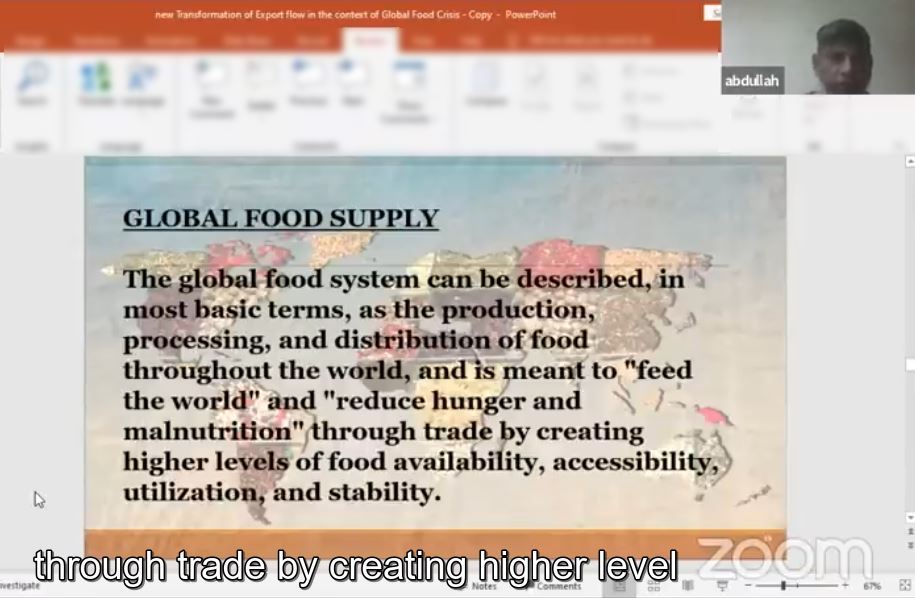
The global food system can be described in the most basic terms as the worldwide production, processing and distribution of food, and is intended to “feed the world” and “reduce hunger and malnutrition” through trade by creating higher levels of food availability. , accessibility, usability, and stability.
Before it reaches the supermarket shelf, our food passes through the vast network of retailers, processors and manufacturers responsible for turning agricultural raw materials into the safe and nutritious food we want to eat.
The three main stages of the supply chain are:
- Primary production (agriculture)
- Processing and manufacture of final products
- Distribution
Even products that are minimally processed, such as fresh fruit and vegetables, are graded and packaged to meet consumer needs for acceptable, visually appealing foods with a reasonable shelf life.
Researchers and policy makers are now focusing their attention on how to optimize each of these stages, because food waste (which you will look at in more detail later in the course) has become such a significant issue. As food passes through each stage of the supply chain it uses up natural resources (e.g. labour, water, energy, fuel), so each transaction requires those involved to set a price that ensures the final product is affordable for consumers.
Technology continues to have an impact on reshaping contemporary food supply chain systems to increase productivity, affordability, accessibility, and diversity of choice and to reduce loss and waste. More than 80% of the population in Europe buys food from large retailers because it is convenient and reliable.
The dominance of large retailers, who are able to invest in technological innovation, has raised standards of quality and wellbeing throughout the food industry. Various things processed by technology, including other production line processes, air freight, molded plastic packaging, and many other initiatives have a major impact on food safety and shelf life.
Global supply issues related to the pandemic and war in Ukraine have highlighted another global vulnerability, namely food availability. While international trade allows countries to survive domestic food shortages and gain access to larger markets, what happens when supplies run low, or global supply chains slow or even break down as they did during the pandemic?
Many studies show that many countries depend on trade to meet their food needs. Furthermore, the global wheat trade is concentrated in a few countries where disruption in just a few countries would have a global impact, the researchers suggest. Therefore, the handling of this global food problem must be taken seriously, both in terms of supply management or the adoption of the necessary technology.
The presenter who delivered the material was Abdullah Athar, Senior Lerturer College of Management Science from Pakistan. This material was presented at an international webinar organized by the University of Science & Computer Technology (STEKOM University) in collaboration with the Karachi Institute of Economics & Technology (Pakistan), Universiti Malaysia Perlis (Malaysia), STIE STEKOM, Association of Industrial and Vocational Communities (PERKIVI), Indonesian Smart Teacherpreneur Association (PTIC) and TopLoker.com. The webinar will be held on December 8, 2022 online using zoom media. All scheduled international presenters managed to attend and fill in the material well.
The webinar activity is part of the implementation of STEKOM University's commitment to increase various international activities in order to realize the vision to become an international-class university. Various international activities carried out by STEKOM University continue from year to year. There are international activities that are sustainable and there are also some international activities that are not sustainable. All types of international activities are accommodated and regulated by the International department of STEKOM University.
International Webinar 2022 - Transformation of Export Flows in the Context of Global Food Crisis - Part 12
International Webinar
Back to News
International Webinar
Monday, December 19, 2022
Priyadi, S.Kom, M.Kom
0 Views