
Pollution Prevention means eliminating or reducing the quantity and toxicity of potentially hazardous substances at source, before they are generated, treated, recycled or disposed of offsite. It's pressure or pollution prevention, rather than controlling it after it's generated. Pollution prevention has expanded as new challenges come into focus – tackling climate change, fighting sprawl, and promoting the use of green building techniques and renewable energy.
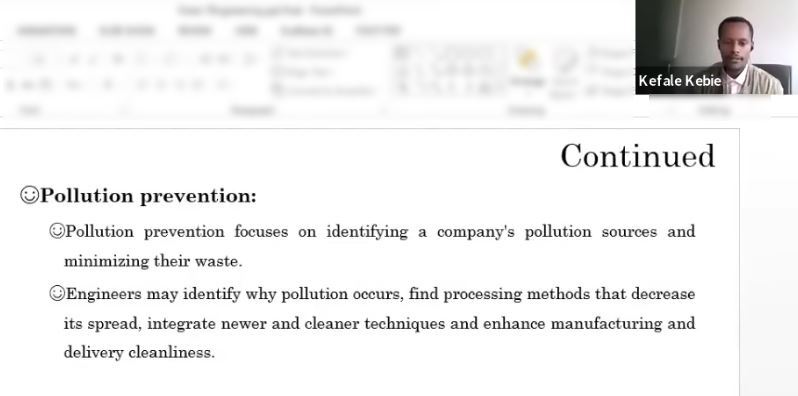
Very keen to prevent pollution rather than having to clean up later. For many years, environmental protection has focused on pollution control - cleaning up pollution after it occurs - not on prevention. The control approach has serious drawbacks, including high costs and increased liability. And when we try to clean up pollution, sometimes we're just moving pollutants from one place to another, like from air to ground or from ground to air. One example is factories using filters to clean the air before it is discharged into the environment. When filters are periodically cleaned, pollutants are collected and sent to landfills for disposal.
Product improvement is an important part of the green engineering process. Green engineers seek to improve the products or services they design while making them safer for the environment. This process may include:
-Finding alternative energy sources that work better than traditional options,
- Prevent materials and manufacturing methods that are more environmentally friendly and more efficient:
+ Take advantage of a variety of new technologies,
+ Expand product capabilities,
+ Improve product usability,
+ Improve product performance and scalability,
+ Made the product more customized for different users.
- In addition, green engineers can work in many fields, including:
+ Manufacturing,
+ Product design,
+ architectural planning,
+ land use planning,
+ Product distribution,
+ Supply chain management and urban planning.
- Skilled technique can not only reduce the company's pollution and waste, but also minimize unnecessary expenses.
There are several Green Engineering Categories that engineers need to pay attention to. In the adoption and utilization of green engineering, engineers use the following processes:
- Waste reduction
- Material Management
- Pollution Prevention
- Product Improvements
The STEKOM University international webinar presenter who delivered the material was Kefale Kebie Bishaw who has an M.Sc academic degree in Structural Engineering. He is also a lecturer and researcher at Debre Tabor University which is located in the city of Debre Tabor, Country of Ethiopia. STEKOM University has collaborated with the University several times. This time the international activity being held was an international webinar entitled "Advantage of Green Engineering".
The title of the presentation delivered by Mr. Kefale was "Advantage of Green Engineering / Technology". At the beginning of his presentation, Mr. Kefale explained the outline of his presentation. The outline presented by Mr. Kefale included the following points:
- What is Green Engineering?
- Green Engineering Category,
- Green Engineering Push Factor Pen,
- Benefits and Some Limitations,
- Conclusions and recommendations.
The webinar activity is part of the implementation of STEKOM University's commitment to increase various international activities in order to realize the vision to become an international-class university. Various international activities carried out by STEKOM University continue from year to year. There are international activities that are sustainable and there are also some international activities that are not sustainable. All types of activities are accommodated internationally and regulated by the International department of STEKOM University.
International Webinar 2022 - The advantages of green engineering part 11
International Webinar
Kembali ke Berita
International Webinar
Minggu, 4 Desember 2022
Priyadi, S.Kom, M.Kom
0 Dilihat